Myth vs. Fact on Cold & Flu <1>

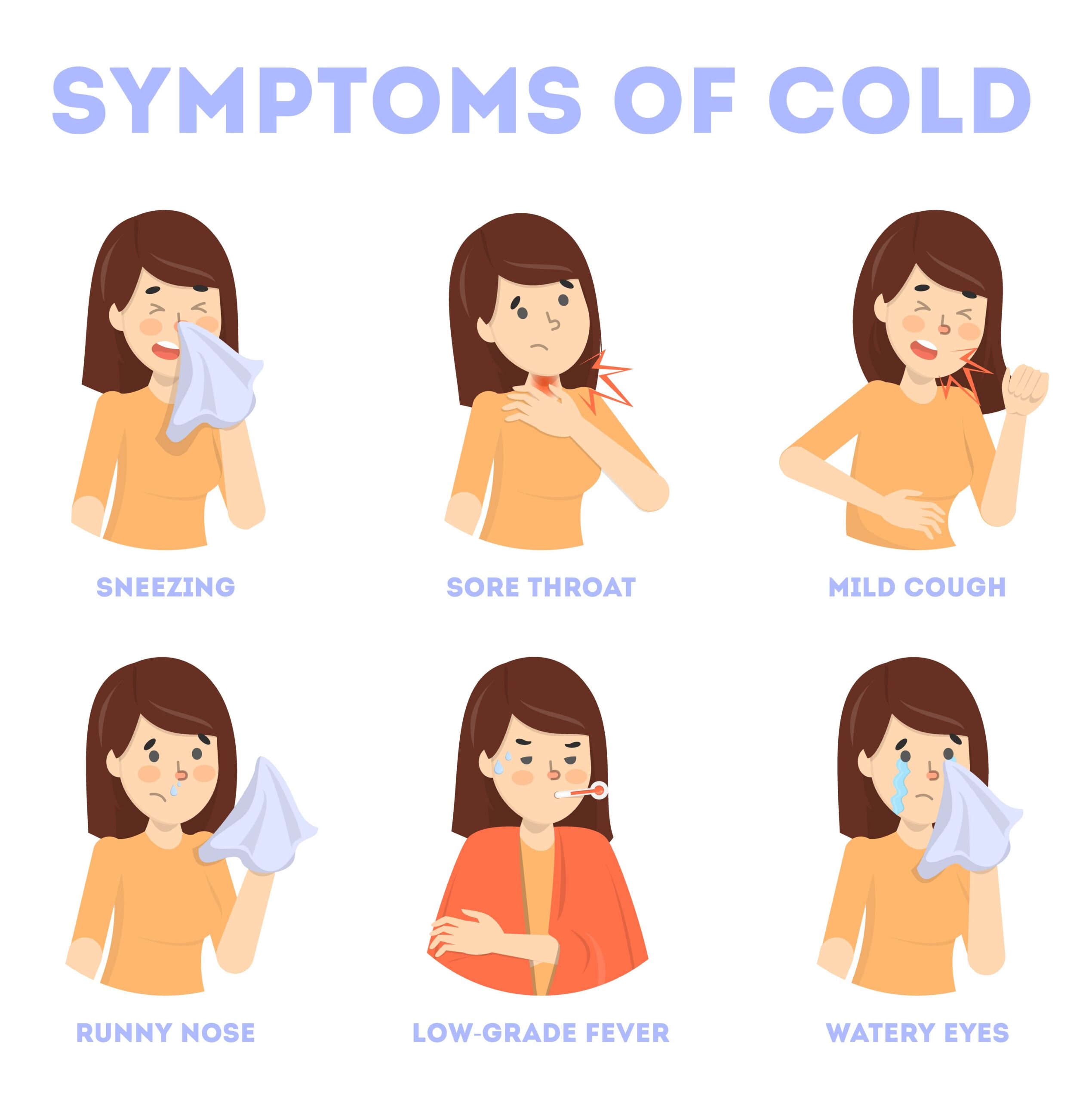
Myth #1: “The flu is just a bad cold.”
Fact: The flu is NOT just a bad cold, but much more severe. Although their early symptoms can look similar, the viruses, severity, complications, and public health impact are very different. Flu can cause high fever, severe headaches, muscle aches, and extreme fatigue, and can lead to pneumonia, hospitalization, and even death, especially in young children, older adults, and people with chronic diseases.
Myth #2: “Flu shot gives you the flu.”
Fact: Flu vaccines do not contain live viruses, only certain viral proteins (such as hemagglutinin) or inactivated viral fragments that cannot replicate, so they cannot cause influenza. Some people may experience mild reactions after vaccination, such as soreness at the injection site, slight fever, fatigue, or muscle aches. These are normal triggering immune responses and usually go away within 1~2 days, and they are not the flu.
Real influenza symptoms are much more serious.
Myth #3: “Healthy people don’t need to get vaccinated.”
Fact: Even healthy people can get seriously ill from the flu. More importantly, vaccination protects vulnerable groups, infants, elderly, cancer patients, and those who cannot be vaccinated, through herd immunity. Healthy adults can be “silent spreaders,” having mild symptoms but passing the virus to high-risk individuals.

High vaccinated rate promotes herd immunity
Myth #4: “I only need one flu shot in my lifetime.”
Fact: This is not enough. The flu vaccine must be taken every year. One dose in a lifetime cannot provide ongoing protection. Flu viruses change every year, and your immunity fades over time. Only the current seasonal vaccine can offer effective protection.
Myth #5: “Antibiotics can treat the flu or a cold.”
Fact: Antibiotics do not work for colds or the flu because both are caused by viruses, while antibiotics only treat bacterial infections. Misusing antibiotics can lead to:
- Antibiotic resistance (superbugs)
- Unnecessary side effects like diarrhea, nausea, rashes, or severe allergic reactions
- Disruption of healthy gut bacteria
- Delayed proper treatment, such as missing the need for antiviral medication
Getting a flu shot each year is the best way to prevent the influenza.
Myth #6: “Cold weather or getting chilled causes a cold.”
Fact: A cold is caused by a virus, and you must come into contact with the virus to get infected. So it’s not the “cold weather” that makes you sick, but exposure to the virus when your immunity is temporarily weaker. Flu and colds are more common in winter because people spend more time indoors, the air is drier, and viruses survive longer, not because low temperatures directly cause illness.

It’s not the “cold weather” that makes you sick, but exposure to the virus when your immunity is temporarily weaker.
Myth #7: “If I’ve never had the flu, I don’t need the vaccine.”
Fact: Not getting sick in the past may simply mean you were lucky, had limited exposure, or your immune system happened to fight off the virus at the time. This does not guarantee future protection. The flu virus changes every year, so even if you’ve never had it before, you can still get infected by new strains. Annual vaccination is the best way to reduce your risk and protect others.
Further reading: